

What You Need to Know About Outdoor Wood Burners
Outdoor wood burners are an economical solution to heat homes and businesses. They also help reduce the dependence on fossil fuels that are non-renewable and help to create a more resilient energy strategy.
Well-seasoned wood is essential for efficient burning. Wood that is not seasoned or green may have a higher moisture content which can create creosote and slow down performance.
Efficient
Outdoor wood burners (OWBs) have been around for a long time and provide an green and efficient method of heating your home. The typical design of OWBs favors the slowing of the fire, making it cooler which results in less efficient combustion and more smoke and creosote. Unburned fuels can lead to health issues and fire hazards, as well as deteriorate the surrounding environment.
Moreover, the visible plume of smoke that OWBs emit could cause neighbors to voice their concerns and result in DEC (Department of Environmental Conservation) enforcement actions. This kind of public relations issue could cause serious damage to the value of your property, and could result in your OWB being shut down.
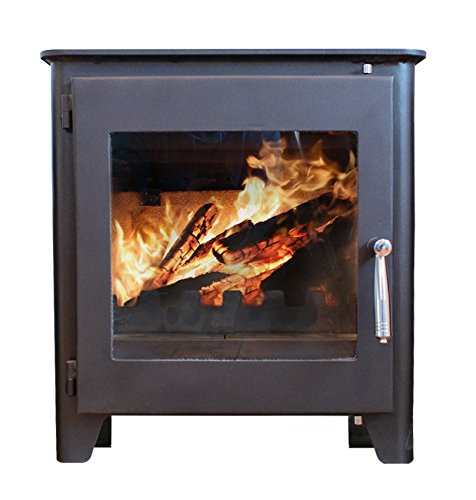
Crown Royal Stoves has a line of outdoor wood furnaces that are EPA Certified. The Pristine Gasification Series uses technology to improve the efficiency of combustion and provide an unburned, clean and smoke-free. This is done with a negative-pressure air system that pulls fresh, dry heated, filtered air from the bottom and pushes it up the chimney much faster than traditional outdoor wood boilers. This is achieved through an innovative design that makes use of an encapsulated, multi-pass heat exchanger made from 409 Titanium Enhanced Stainless Steel.
If properly used, the Pristine Series OWB has a 99% combustion rate for a cleaner and smokeless fire. It requires less wood and produces significantly fewer emission than traditional OWBs. To further maximize the effectiveness of your OWB it is crucial to burn dry, clean, and seasoned wood. It is recommended that you get your wood seasoned for six months or one year before burning it. This will result in the most efficient and clean burn.
In addition to improving the efficiency of your wood burner, you can also improve its efficiency by executing a "dry burn" every week. This method eliminates creosote build up, keeps your boiler running efficiently and increases its life span. In addition by adding a creosote-removing stick each time you load your stove, you will be able to dramatically reduce the amount of creosote you use. wood burning fireplace is available from Wisconsin Wood Furnace.
Clean
The soot particles left in the aftermath of burning wood can make a stove appear very dirty. These are very hard to remove, so if you see any spots of buildup on the glass of your stove, clean them immediately. Soot that is not removed will begin to harden, making it even more difficult. It is crucial to choose the right cleaner, but you should also avoid damaging the glass surface by using anything that can scratch it. This could lead to a weak point that will shatter glass when exposed to high temperatures.
Make sure you let your wood stove cool completely before cleaning it. Also, ensure that the area around it is covered with newspaper. This will stop any spillage of ash that can stain and mark surfaces.
Depending on the quality of the wood you use, it can take up to an entire year for your stove to be properly seasoned. The wood that is seasoned will not only burn better and will produce less creosote. This is the kind of material that builds up on your chimney, reducing efficiency and creating an hazard for fire. If you are using unseasoned wood or just beginning a new fire in your outdoor wood burner the best thing you can do is to open up the lower back door and scoop out the ashes into a non-combustible container every week.
You should also do an annual sediment flush on your boiler at least every four years. This is a simple five second flush from the drain valve of your boiler. This will remove any sediment that has built up in the system and ensure that your boiler is operating well.
After you have cleaned the exterior of your fireplace that is outside It is now time to clean it. Before beginning, it is essential to cover the floor around the stove with newspaper. It is also beneficial to wear protective eyewear and gloves. Also, you should have an shovel, a metal ash container and a scraping tool. To safeguard the refractory, you should lay a cloth on it to protect it from damage as you scrape away ash and coal deposits.
Simple to Operate
Despite their popularity (they were among the 1990s' "it" trends, as were mullet haircuts) outdoor wood boilers, also known as outdoor furnaces or outdoor wood hydronic heaters, are often misunderstood. They're not the same as the well-known EPA wood stoves, which are made to burn at low temperatures and continuously. They use more burning and produce more smoke. Some local governments limit or ban their use.
OWBs are best used to heat homes with a high insulation level. Smoke that is dense and smoldering could cause annoyance to neighbors, which has led many OWBs to be shut down or even sued. For OWBs, dry wood with a lower moisture content is needed to perform effectively. Unseasoned or green wood will reduce efficiency, causing creosote to build up and decrease the life of the burner. Drying wood takes time, and a moisture meter is a must for any homeowner.
Dual-stage wood gasification (OWGB) boilers are, on the other hand utilize a three-step process that utilizes more of the energy available in the wood. This means less smoke. These kinds of furnaces are more efficient than traditional OWBs and can be used with a larger range of fuel. Wood gasification boilers require dry and seasoned wood. The majority of wood can be seasoned in one year. Oak and other hardy trees can take up to two years. This is due to lower water content and denser mass. This allows them retain heat for longer, increasing efficiency and decreasing pollution. The EPA "Burn Wise' website and Cornell Cooperative Extension are great sources for homeowners to learn how to burn wood efficiently to minimize pollution to the air.
Low Maintenance
Modern outdoor wood furnaces are constructed with the environment in mind. Modern outdoor wood furnaces do not produce excessive CO2 or heat. They also burn more efficiently than indoor wood stoves. They also require less wood to produce the same amount of heat as traditional stoves.
Outdoor wood burners also require significantly less maintenance than indoor wood burners, and are more tolerant when it comes to the moisture content of the wood. However outdoor wood burners should only be used with properly treated or "cured" wood. Certain kinds of wood can take up to a full year. It is important to use a moisture meter to determine the amount of water of your wood before loading.
When the system is in operation, it is essential to regularly check the system for the accumulation of creosote. Creosote, which is a byproduct of combustion, can build up in the chimney and flue if they are not cleaned regularly. It can be removed with the use of a special creosote remover that is poured into the fire. Regular cleaning of the flue and chimney can remove harmful creosote, and boost efficiency.
Crown Royal Stoves developed a new airflow technique called Negative Pressure Gasification to ensure 99% efficiency in combustion. This technology is used in our EPA certified Pristine Series Outdoor Wood Furnaces to draw air from the bottom and push all gases through an sealed secondary combustion chamber, surrounded by water with easy-to-clean turbulators. The result is a smokeless and pollutant free combustion.